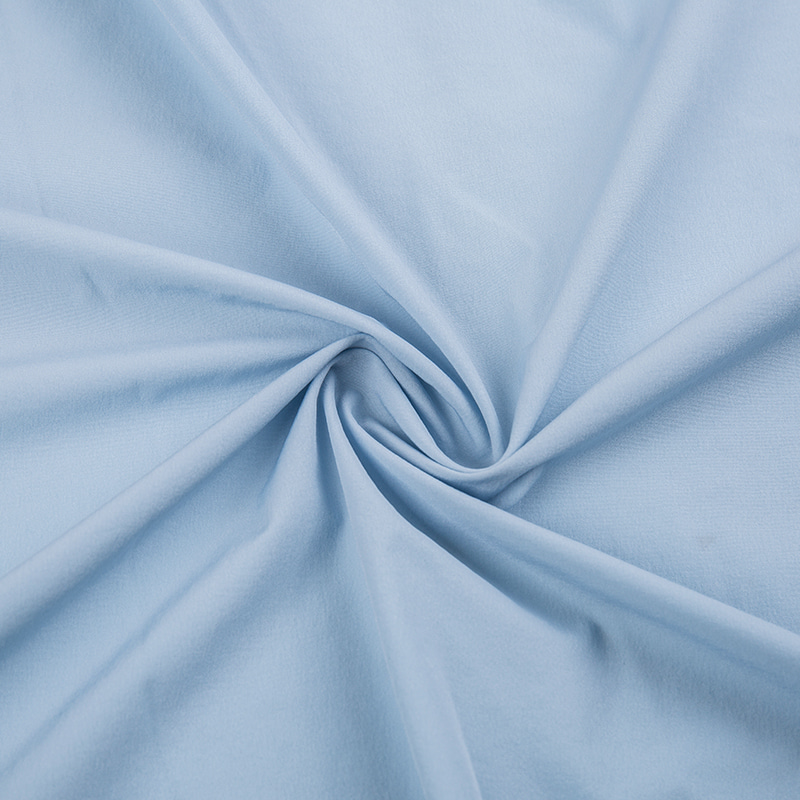
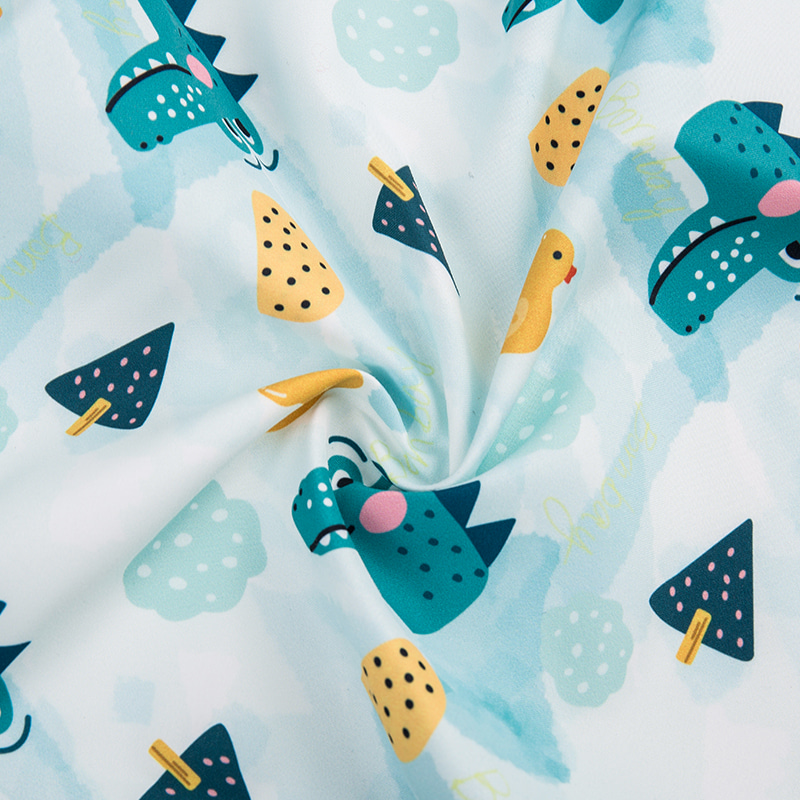
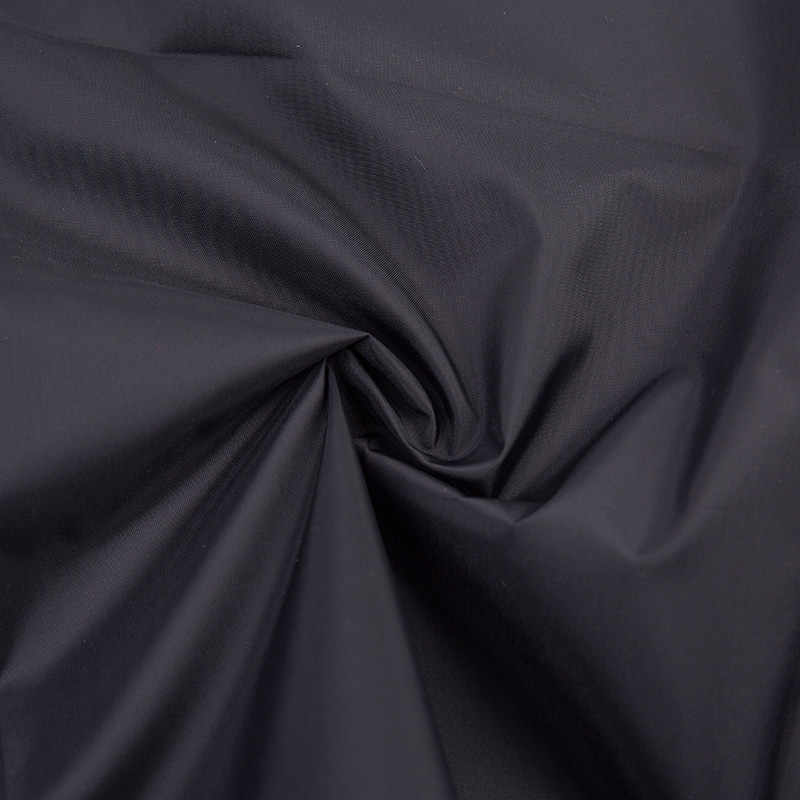
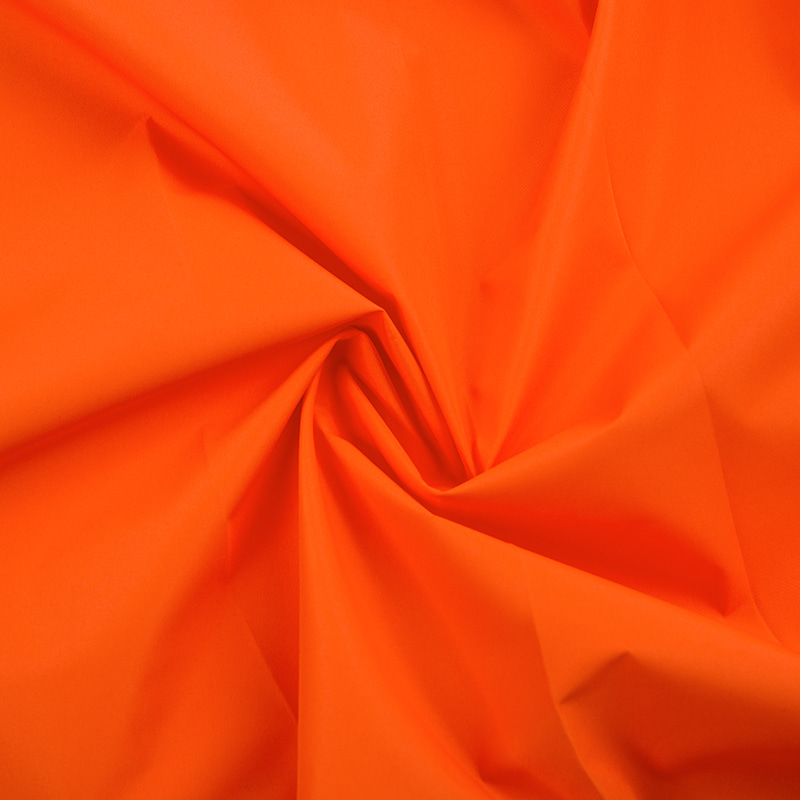
UV-Schutz-Nylongewebe: Leitfaden für Outdoor- und Performance-Anwendungen
 Heim / Nachricht / Branchennachrichten / UV-Schutz-Nylongewebe: Leitfaden für Outdoor- und Performance-Anwendungen
  2026.08.07
 Branchennachrichten
Moderne Outdoor-Enthusiasten, Bekleidungshersteller und Ausrüstungsdesigner stehen vor einer entscheidenden Herausforderung: Leichtbau mit ernsthaftem Schutz vor ultravioletter Strahlung in Einklang zu bringen. UV-Schutz-Nylongewebe löst dieses Problem, indem es die inhärente Haltbarkeit und Atmungsaktivität von Nylon mit einer hochentwickelten UV-Blockierungstechnologie kombiniert. Ganz gleich, ob Sie Sonnenschutz-Sportbekleidung entwickeln, funktionale Outdoor-Ausrüstung herstellen oder langlebiges Reisezubehör entwerfen: Wenn Sie wissen, wie UV-Schutz-Nylongewebe funktioniert, können Sie das optimale Material für anspruchsvolle Umgebungen auswählen.
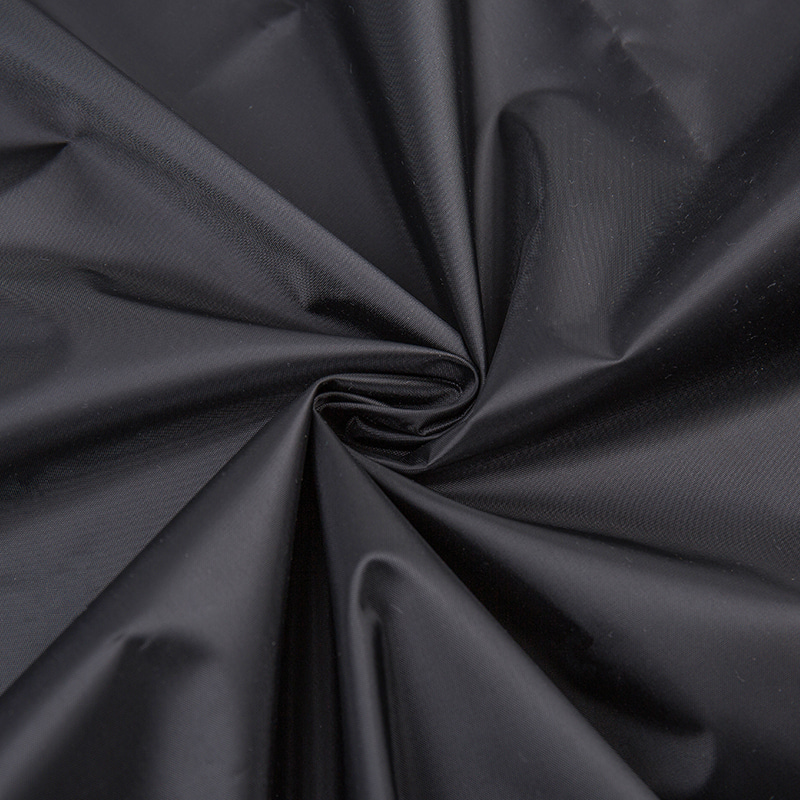
UV-Schutz-Nylongewebe ist nicht einfach gewöhnliches Nylon, das zufällig eine dunkle Farbe hat. Es handelt sich um ein technisches Textil, bei dem eine UV-blockierende Technologie in die Faserstruktur integriert, als Beschichtung aufgetragen oder durch spezielle Webtechniken eingearbeitet wird. Das Ergebnis ist ein Material, das das Eindringen schädlicher ultravioletter Strahlen reduziert und gleichzeitig die berühmten Eigenschaften von Nylon beibehält – außergewöhnliches Verhältnis von Festigkeit zu Gewicht, Abriebfestigkeit und schnelle Trocknungsfähigkeit.
Die Unterscheidung ist wichtig, weil der durch Chemie erzielte UV-Schutz den allein durch Farbe erreichten UV-Schutz übertrifft. Ein wahrer Schutz UV-Schutz-Nylongewebe Behält seine Sonnenschutzwirkung über Dutzende von Waschzyklen hinweg bei und behält seine strukturelle Integrität bei längerer Außeneinwirkung bei, die normales Nylon mit der Zeit beschädigen würde.
Wenn Sie die Wissenschaft hinter UV-Schutz-Nylongewebe verstehen, können Sie das richtige Material für bestimmte Anwendungen auswählen.
UV-Absorber sind chemische Verbindungen, die bei der Herstellung in Nylonfasern eingearbeitet werden. Diese Moleküle fangen UV-Photonen ab und wandeln ihre Energie in harmlose Wärmeableitung um. Diese Methode bietet einen konsistenten, dauerhaften Schutz – die Absorber bleiben auch beim Waschen und im Freien in der Faserstruktur eingebettet. Typische Absorber, die in der Premiumklasse verwendet werden UV-Schutz-Nylongewebe Dazu gehören Benzotriazole und gehinderte Amin-Lichtstabilisatoren (HALS), die sich beide als sicher bei Hautkontakt erwiesen haben.
Auf der Oberfläche aufgetragene Beschichtungen bilden eine reflektierende Barriere, die UV-Strahlen von der Stoffoberfläche reflektiert. Titandioxid- und Zinkoxidbeschichtungen sind in UV-Schutztextilien üblich. Dieser Ansatz ist unmittelbar nach der Anwendung hochwirksam, erfordert jedoch Haltbarkeitstests, um sicherzustellen, dass der Schutz auch beim Waschen bestehen bleibt. Hochwertiges UV-Schutz-Nylongewebe verwendet Verbundbeschichtungen, die mindestens 30 Wäschezyklen standhalten.
Eng gewebtes Nylon blockiert von Natur aus mehr UV-Strahlung als locker gewebter Stoff – kleinere Lücken zwischen den Fasern bedeuten weniger direktes Eindringen von UV-Strahlung. Ein dichtes Gewebe kann ohne chemische Behandlung einen UPF von 25–40 erreichen. In Kombination mit UV-Absorbern oder Beschichtungen erreicht das dicht gewebte UV-Schutz-Nylongewebe einen UPF 50. Diese mechanische Blockierung erklärt auch, warum dunklere Farben einen besseren anfänglichen UV-Schutz bieten als hellere Farbtöne.
Einige Hersteller fügen vor der Faserextrusion UV-blockierende Pigmente direkt in das Nylonpolymer ein. Ruß und anorganische Pigmente werden auf molekularer Ebene eingearbeitet und werden so zu dauerhaften Bestandteilen der Faser und nicht zu Oberflächenbehandlungen. Diese Methode sorgt für einen außergewöhnlich dauerhaften Schutz, da die Blockierungsmittel nicht getrennt von der Faser selbst ausgewaschen oder abgebaut werden können.
Bei der Bewertung UV-Schutz-Nylongewebe Diese technischen Spezifikationen wirken sich direkt auf die Leistung in der Praxis aus.
| Spezifikation | Was es misst | Warum es wichtig ist |
| UPF-Bewertung | Wie viel UV-Strahlung wird blockiert (UPF 15-50) | Höherer UPF = wirksamerer Sonnenschutz für Träger |
| UV-Transmissionsrate | Prozentsatz der UV-Strahlen, die den Stoff durchdringen | Ein niedrigerer Prozentsatz (1–5 %) weist auf eine bessere Blockierung hin |
| Stoffgewicht (GSM) | Gramm pro Quadratmeter (typisch 100–200 GSM) | Schwerer = haltbarer, aber weniger atmungsaktiv; leichter = bequemer für Sportbekleidung |
| Waschbeständigkeit | Anzahl der Wäschen, bevor der UPF sinkt | Hochwertige Stoffe behalten den UPF für 50 Zyklen; Budgetoptionen können nach 10 Wäschen auf UPF 30 sinken |
| Zugfestigkeit | Kraft, die zum Zerreißen des Stoffes erforderlich ist (gemessen in N) | Höhere Festigkeit verhindert ein Reißen bei aktivem Einsatz im Freien |
| Abriebfestigkeit | Zyklen bis zur sichtbaren Abnutzung (Martindale-Test) | Entscheidend für Rucksäcke und Ausrüstung; 100.000 Zyklen bedeuten eine Haltbarkeit auf Profiniveau |
Kritische Unterscheidung: Das Tragen von dunklem, normalem Nylon bei starker Sonneneinstrahlung bietet falschen Schutz – Träger können Sonnenschäden entwickeln, gerade weil sie glauben, geschützt zu sein. UV-Schutz-Nylongewebe Mit verifizierten UPF-Tests bietet es echten Schutz, der durch messbare Standards gestützt wird.
UV-Schutz-Nylongewebe dominiert Outdoor-Sportarten, weil es geringes Gewicht mit hoher Atmungsaktivität kombiniert und gleichzeitig gefährliche UV-Strahlen blockiert. Laufshirts, Radtrikots und Trainingstights aus diesem Stoff ermöglichen Sportlern ein sicheres Training bei intensiver Sonneneinstrahlung. Die schnell trocknende Eigenschaft von Nylon in Kombination mit feuchtigkeitsableitenden Behandlungen sorgt dafür, dass sich Sportler bei hochintensiven Trainingseinheiten wohl fühlen. Gewichtseinsparungen sind auf dieser Ebene von entscheidender Bedeutung – Schutzstoffe, die ein erhebliches Gewicht verursachen, werden zugunsten hochwertiger UV-Nylon-Formulierungen abgelehnt.
Diese Anwendung erfordert doppelte Leistung: UV-Schutz plus Wassermanagement. UV-Schutz-Nylongewebe Das in Badebekleidung verwendete Material enthält häufig Stretch (in der Regel 15–20 % Spandex-Mischung), um Bewegungsfreiheit zu ermöglichen und gleichzeitig den UV-Schutz aufrechtzuerhalten. Rashguards für Surfer und Schwimmer erfordern neben UV-Schutz auch Chlorbeständigkeit und Salzwasserbeständigkeit – spezielle Nylonformulierungen erfüllen alle diese Anforderungen gleichzeitig. In dieser Kategorie ist die Waschhäufigkeit hoch, weshalb ein dauerhafter UV-Schutz unerlässlich ist.
Wander-, Angel- und Reisebekleidung aus UV-Schutz-Nylongewebe schützt den Träger bei mehrtägiger Exposition im Freien. Bei vielen Outdoor-Bekleidungsstücken besteht die Außenhülle aus UV-schützendem Nylon und einem atmungsaktiven Mesh-Futter. Die Kombination bietet Sonnenschutz, Wetterbeständigkeit und Komfort bei längerem Tragen. Outdoor-Enthusiasten legen häufig Wert auf Haltbarkeit und Waschbarkeit – hochwertige UV-Nylonstoffe sorgen für Schutz über mehrere Nutzungs- und Waschsaisons hinweg.
UV-Schutz-Nylongewebe used in outdoor gear must withstand constant environmental stress—UV exposure, abrasion against rocks and branches, moisture cycling, and temperature fluctuations. Backpack and bag manufacturers favor this material because it resists degradation that would occur with regular nylon under identical conditions. The UV protection becomes part of longer-term durability—bags maintain integrity and appearance after years of outdoor use.
Planen, Geräteabdeckungen und Bootsabdeckungen aus UV-Schutz-Nylongewebe verhindern Sonnenschäden an empfindlicher, im Freien gelagerter Ausrüstung. Meeresumgebungen sind besonders anspruchsvoll, da der UV-Schutz trotz ständigem Salznebel, Feuchtigkeit und Hitzeschwankungen bestehen bleiben muss. Spezielle UV-Schutz-Nylonformulierungen für Bezüge umfassen oft zusätzliche Behandlungen für Schimmelresistenz und Wasserabweisung.
Die Qualitätskontrolle muss sicherstellen, dass UV-blockierende Chemikalien gleichmäßig im Stoff verteilt sind. Eine ungleichmäßige Behandlung führt zu Schwachstellen, an denen die UV-Eindringung höher ist, was den Schutz beeinträchtigt. Führende Hersteller testen die UV-Durchlässigkeit an mehreren Punkten jedes Stoffballens.
Ein Vorher-Nachher-UV-Test nach standardisierten Waschzyklen (ISO 105-C06) bestätigt dies UV-Schutz-Nylongewebe behält seine schützenden Eigenschaften im realen Gebrauch bei. Hersteller, die diese Tests durchführen, können mit Sicherheit eine bestimmte Waschbeständigkeit angeben – diejenigen, die dies nicht tun, machen unbestätigte Angaben.
UV-Schutz sollte nicht auf Kosten der Haltbarkeit gehen. Zugfestigkeitstests und Abriebfestigkeitstests (Martindale-Methode) stellen sicher, dass der Stoff auch bei Belastung im Freien intakt bleibt. Schwacher UV-geschützter Stoff, der leicht reißt, versagt in der praktischen Anwendung trotz hervorragender Sonnenschutzwirkung.
Viele Formulierungen für UV-Schutz-Nylongewebe enthalten dunklere Farben, die dabei helfen, UV-Strahlen zu blockieren. Qualitätskontrolltests bestätigen, dass diese Farben sowohl beim Waschen als auch bei längerer UV-Bestrahlung im Freien stabil bleiben – ein Verblassen der Farbe sollte den Verlust des UV-Schutzes nicht beschleunigen.
Hersteller entwickeln UV-Schutzbehandlungen aus biobasierten Quellen und recycelten Nylonfasern. Recyceltes UV-schützendes Nylon behält die Leistungsspezifikationen bei und reduziert gleichzeitig die Umweltbelastung – ein entscheidender Vorteil für umweltbewusste Marken und Verbraucher.
Das UV-Schutz-Nylongewebe der nächsten Generation kombiniert Sonnenschutz mit zusätzlichen Funktionen: Temperaturregulierung, antimikrobielle Behandlung und fortschrittliches Feuchtigkeitsmanagement. Diese gemischten Formulierungen erfordern eine anspruchsvolle Herstellung, bieten aber eine umfassende Leistung für anspruchsvolle Anwendungen.
Neue Technologien integrieren Überwachungsfunktionen in UV-schützendes Nylon – tragbare Sensoren, die die UV-Exposition in Echtzeit verfolgen und Benutzern helfen, ihre Sonnenschutzgewohnheiten zu optimieren. Der Stoff selbst wird zur Plattform für die Gesundheitsüberwachung.
UV-Schutz-Nylongewebe represents a genuine advance in protective textiles, not merely marketing differentiation. When specifications are verified through third-party testing and wash durability protocols, this fabric delivers measurable UV blocking while retaining nylon's exceptional strength-to-weight ratio. For serious outdoor enthusiasts, active athletes, and manufacturers serving these markets, UV-protected nylon is no longer optional—it's the performance standard for sun-exposed products.
Legitim UV-Schutz-Nylongewebe wird mit UPF-Testberichten von akkreditierten Labors geliefert (normalerweise unter Verwendung der Standards ASTM F1737 oder ISO 24444). Fordern Sie diese Testergebnisse vor dem Kauf an – Hersteller, die von ihren Produkten überzeugt sind, stellen sie gerne zur Verfügung. Einfache Farbdunklungen können UV-Strahlen nicht zuverlässig blockieren und bieten kein einheitliches Schutzniveau.
Hochwertige UV-Schutzbehandlungen behalten ihre Wirksamkeit über 30–50 Waschzyklen hinweg. Budgetformulierungen können schneller verfallen. Aus diesem Grund ist die Prüfung der Waschbeständigkeit wichtig – sie sagt direkt voraus, wie lange Ihre Kleidungsstücke oder Ausrüstung schützend bleibt. Premium-Stoffe veröffentlichen ihre Angaben zur Waschbeständigkeit offen; kleinere Produkte meiden das Thema.
Zwei Lagen normales Nylon bieten etwas besseren Schutz als eine Lage, aber bei weitem nicht den Schutz einer einzelnen Lage ordnungsgemäß behandeltem UV-Schutz-Nylongewebe. Um einen angemessenen UV-Nylonschutz zu gewährleisten, wären unpraktisch dicke Schichten erforderlich, und das Ergebnis wäre unbequem und schwer.
Ja. UV-Absorber und -Blocker, die in hochwertigen Stoffen verwendet werden, werden speziell für die Hautverträglichkeit ausgewählt und dermatologischen Tests unterzogen. Die verwendeten Konzentrationen liegen weit unter den Werten, die zu Reizungen führen würden. Schwimmbekleidung für Kinder aus UV-schützendem Nylon ist gerade deshalb weit verbreitet, weil dieser Stoff als sicher für empfindliche Haut gilt.

Canxing -Textilgebäude, Nr. 458dongxin Road, Shengze Town, Bezirk Wujiang, Stadt Suzhou, Provinz Jiangsu, China

+86-18816291909

+86-512-63620515


Copyright © Wujiang Canxing Textile Co, .ltd. Rights Reserved. Custom Elastic gewebte Stoffe Hersteller
Privatsphäre 苏公网安备 32050902101422